
DYK # 45: Did you know… being a CX leader is a lot like being a sports coach!
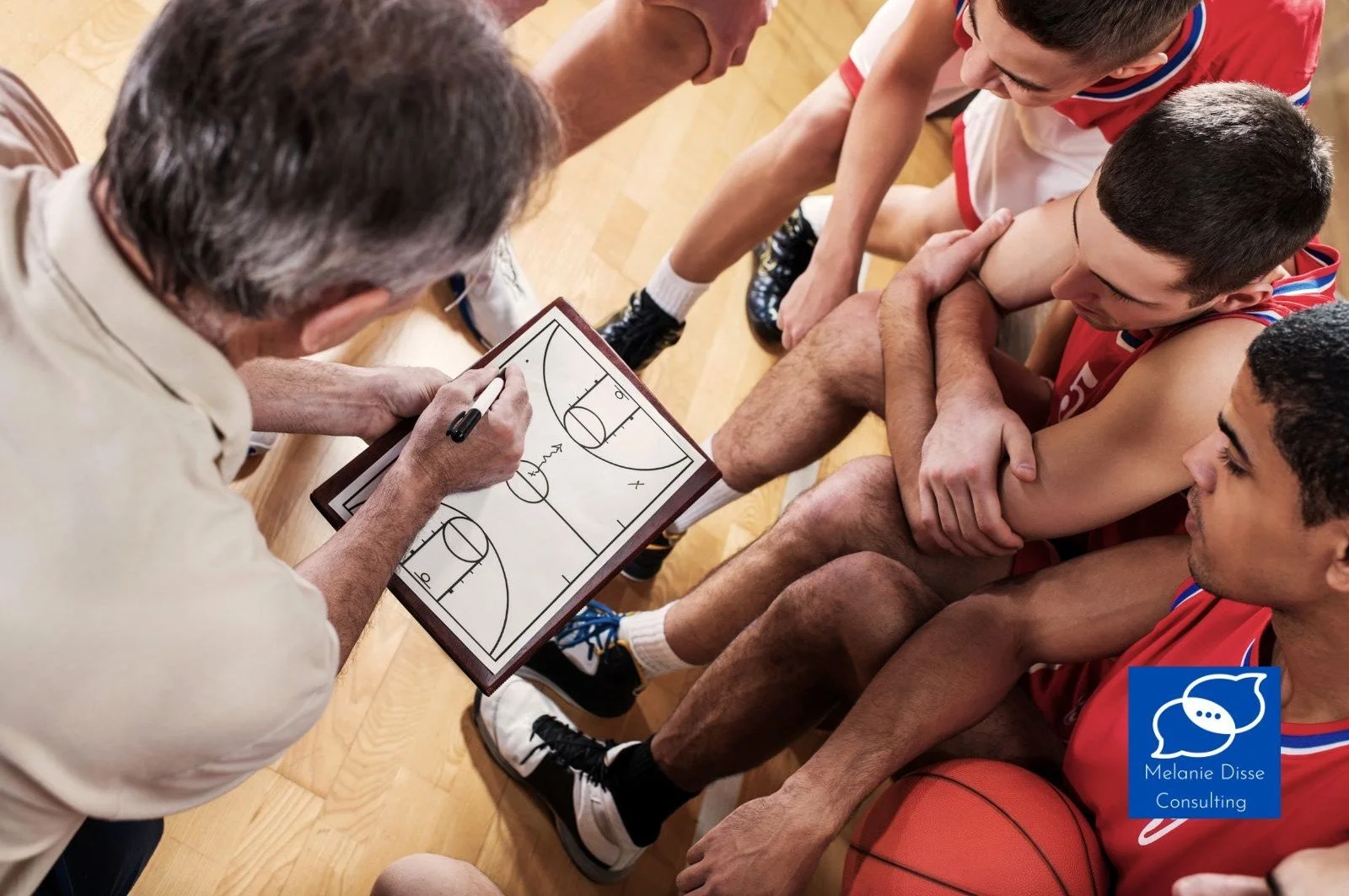
This month’s DYK is a little different, as we venture into a sports story, before applying the learnings to CX. So let’s get started!
Many of you know that aside from running a CX consultancy, I’ve been an athlete for many years. I competed at three world championships, representing New Zealand and Germany across long-distance (marathon) and sprint events, in team boats (V6 and V12) and single canoes (V1). But this year was special. Well, perhaps different is a better word to use since competing at a world championship is kinda always special.
This year, I was there to coach.
Over the last 10 months, I was working with my former coach to coach and train her team. Yes, the tables have turned, the apprentice has become the master! While she still wrote the training programme for the team, my job was to take over the team coaching and focus on technique. And so we split the responsibilities, and went to the 2026 Outrigger Canoeing (IVF Va’a) world champs in August.
While we didn’t come home with a medal, we made all three finals (V6 - 500m, V6 - 1000m turns, V12 - 500m), as the only NZ team in our category to do so. And the team managed to pull off a PB (personal best time) in the 1000m turn race. What a performance. Watching the races, I’m still not sure if I was more nervous when I was racing myself or when I watched my team! Being a coach is quite a different experience to being an athlete.
And being a coach during a world championship is different again from coaching in the lead up to the event.
While I usually focus on technique and team blend during the training season, the role and tasks completely change during the competition. For us, the competition spans across 10 days, and three key events (with two of my girls also racing the individual canoe, V1).
During race week, what counts are: being positive, applying learnings from past races and preparing for the next one, keeping the spirit high in the team, and making sure all paddlers feel supported, well (health-wise), and team dynamics are managed.
The role of the coach changes to become much more centred around motivating the team, managing team dynamics, and - I can’t stress this one enough - communication! No matter how many times you say or explain something, you’re best off to reiterate it another 10 times! (trust me).
Was I prepared for what was expected of me at Worlds? Well, as prepared as one can be when doing something for the first time, I guess.
The important thing is that we learn from our experiences, and I’ve found several takeaways that apply equally to sports teams and corporate teams:
💡 Dealing with setbacks and managing expectations is a crucial skill
💡Mental prepping and pep talks are key before the race to get everyone in the right mindset and strengthen the team mentality
💡 Learning about every individual in the team is vital for any coach to better manage team dynamics
💡 Using incentives is highly effective! Ice cream and chocolate seem to be the favourites! (perhaps not so much for physical prepping but certainly for mental prepping!)
💡 Tightening the connection with the team is key for success. You’re part of the team, but you’re also in charge. It can be a tight line and getting it right will determine success.
💡 And of course, communication, communication, communication…
Coaching sports teams, managing corporate teams and working with consulting clients have a lot in common. At the end of the day, it’s about managing a group of people, and getting them to perform at their best; together as one team. 💪
But a coach doesn’t win the race for the team. They create the conditions for the team to perform together.
While that’s crucial for any business, it’s particularly important for CX success. As we’ve explored over the last few months, every single business unit has a role to play in delivering and creating great experiences for customers, consistently, and every single day!
But it’s the job of the CX function to enable and empower the wider organisation and at the same time orchestrate the end-to-end experience for customers.
So (how) are you managing this?
If you’ve been reading these DYK’s for a while, you know that’s why CXTS™ was born, and that’s what our CXTS™ methodology is centred around. Our CXTS™ framework explains the difference between CX as a business unit, and what the central role of that business unit is in creating an organisation-wide CX practice. Your CX department is your organisation's coach, enabling and empowering all other business units, but also orchestrating the overall experience from a customer perspective. Our CXTS™ operating model then gives you the practical tools and guidance to put that into place for your organisation.
If you’d like to know what that looks like for your organisation, and how to go about changing the thinking within your organisation and implementing that mindset shift in a very practical way, get in touch today.
And P.S:. Did you know… our book CXTS™ - Customer Experience is a Team Sport will be available from next week (w/c 28 September), and we'll be launching ‘Coach the Coach’ sessions in Q1-2027!
#CXTS #CX #customerexperience #operationaliseCX #coach